“Enclomiphene is the trans-isomer of clomiphene, and it’s changing the way researchers understand testosterone modulation.” – Journal of Clinical Endocrinology, 2023
Looking for a compound that stimulates natural testosterone without shutting down the body’s hormonal axis? Meet enclomiphene – a research-only reference standard making waves in hormone science. Unlike testosterone replacement therapy (TRT), which suppresses internal production, enclomiphene works with the hypothalamic–pituitary–gonadal (HPG) axis, not against it.
Let’s break down what enclomiphene is, how it works, how it compares to clomiphene and SERMs, and why it’s increasingly in demand in research labs worldwide.
“Enclomiphene has been shown to increase testosterone levels while stimulating FSH and LH production. Initial studies demonstrated that enclomiphene maintains the androgenic benefit of clomiphene citrate without the undesirable effects attributable to zuclomiphene.” – Joshua A. Earl, PhD (University of Tennessee, Knoxville, USA) pubmed.ncbi.nlm.nih.gov
Zuclomiphene (Z-isomer): weak estrogen agonist, long half-life, possibly counterproductive.
Feature
Clomiphene Citrate
Enclomiphene (Isolated)
Isomer Mix
50% enclo / 50% zuclo
99%+ enclo only
Activity
Mixed: agonist/antagonist
Pure antagonist (pituitary)
Half-Life
5-7 days (due to zuclo)
~10–12 hours
Estrogenic Side Effects
Higher
Lower
Sperm Production
Variable
Preserved
“Clomiphene’s dual isomer profile limits its precision in hormone modulation research.” – Andrology Reports, 2021
If your research requires high specificity, enclomiphene is the superior choice.
Clinical & Preclinical Data Highlights
Study / Source
Outcome
Wiehle et al., Fertil Steril. (2004)
Significant LH & testosterone increase without DHT spike
Swerdloff et al., J Clin Endocrinol (2013)
Enclomiphene outperformed TRT in preserving sperm count
Pastuszak et al., PMC5009465
Long-term enclomiphene use maintained hormonal balance
Saffati et al., TAU, 2024
Enclomiphene showed higher testosterone with lower estradiol
Notable Insight: The 2024 study showed enclomiphene increased testosterone by +166 ng/dL, versus +98 ng/dL from clomiphene, with reduced estradiol rise.
“We observed a median estradiol decrease with enclomiphene, suggesting cleaner estrogen modulation.” – Saffati G. et al., TAU, 2024
Emerging evidence links low testosterone, excess abdominal fat, insulin resistance and metabolic syndrome. Some studies suggest enclomiphene might play a role here. For example:
“Since secondary hypogonadism often co‑exists with obesity and metabolic syndrome, enclomiphene’s ability to improve testosterone and glucose regulation adds clinical value.” News-Medical
Why this makes sense:
By restoring endogenous testosterone without suppressing LH/FSH, enclomiphene might help reverse elements of metabolic dysfunction (visceral fat, impaired glucose tolerance) in men with low‑T tied to obesity.
A future indication could be “men with metabolic‑syndrome‑related hypogonadism” (pending strong evidence).
This would open a novel niche beyond fertility‑preserving testosterone therapy.
Although historically the cis‑isomer (zuclomiphene) plus trans mixture (clomiphene citrate) was used for ovulation induction in women, pure trans‑isomer enclomiphene might offer improved specificity. Some sources suggest:
“Enclomiphene’s therapeutic potential extends beyond its current applications… e.g., Female Infertility, Hormone Replacement Therapy (HRT), Polycystic Ovary Syndrome (PCOS).” Concierge MD – Mobile Medical Services
Why compelling:
With its SERM effect, enclomiphene could modulate the hypothalamic‑pituitary‑ovarian axis with fewer side‑effects than mixed‑isomer formulations.
In PCOS, where hormonal dysregulation (androgen excess + estrogen feedback) is common, enclomiphene might help restore ovulation in a fertility‑preserving way.
Future research would need to examine efficacy in women, safety across menstrual/ovarian cycles, and comparisons vs existing therapies.
4. Hormone Replacement in Older Men (Alternative to TRT)
While current use of enclomiphene focuses on younger men preserving fertility, future use may expand to older men with testosterone deficiency who alsowant to avoid the risks of exogenous testosterone. For example:
“In older men, enclomiphene could be used as monotherapy, particularly if the risks of TTh are deemed too high for specific patients.” PMC
Why this is interesting:
TRT (testosterone therapy) carries risks (erythrocytosis, cardiovascular concerns, suppression of fertility).
Enclomiphene’s mechanism of raising endogenous testosterone and preserving testicular function may offer a “gentler” alternative.
Future indication could be “age‑related (or idiopathic) testosterone deficiency in men unsuitable for TRT.”
5. Adjunctive Therapy in Male Fertility Recovery (Post‑Suppression)
Another plausible future use: men recovering fertility after events that suppressed testicular function (e.g., anabolic steroid use, chemotherapy, environmental toxin exposure). Enclomiphene may help “kick‑start” the HPG axis. Research review notes:
“SERMs and AIs are effective in raising testosterone levels and maintaining fertility… Additional work will need to more definitively determine the symptomatic benefits of enclomiphene.” PMC
Why valid:
For men who have suppressed LH/FSH/testes (post anabolic steroids or other exposures), enclomiphene might accelerate recovery of endogenous testosterone and spermatogenesis.
Future usage might include “fertility recovery programs” or “post‑suppression hormone restoration.”
Key Caveats & Roadblocks
Although early results are promising, large‑scale, long‑term randomized trials assessing enclomiphene’s symptomatic benefit, safety profile and fertility outcomes are still insufficient. PMC
Regulatory hurdles remain: e.g., the European Medicines Agency (EMA) recommended refusal for one application in 2018, and development was discontinued for some indications. Wikipedia
Off‑label or research‑chemical framing remains essential: none of these future uses are approved currently.
Proper patient stratification, dosing, long‑term monitoring (especially for cardiovascular, metabolic, reproductive outcomes) will be required.
Legal Status: UK & International
Enclomiphene is not approved for human use in the UK. However:
It is legal to purchase, possess and import for laboratory research purposes.
Falls under non-medicinal chemical classification, similar to many research SERMs.
Yes – but strictly for research purposes. It’s not an MHRA-approved medication. It can be sold and imported as a reference standard or research compound.
Testosterone therapy delivers exogenous hormone, which suppresses internal production. Enclomiphene stimulates the brain to release LH and FSH, encouraging natural production while preserving fertility.
Can enclomiphene be detected in drug tests?
It can potentially appear on specialised screens, but standard panels do not test for it. For lab validation, analytical references should use mass spectrometry with isomer-specific markers.
What makes enclomiphene better than clomiphene for research?
Clomiphene contains both E and Z isomers. The Z-isomer (zuclomiphene) may counteract desired anti-estrogenic effects. Enclomiphene gives cleaner, more predictable results.
Disclaimer: This article is for informational and research reference purposes only. Enclomiphene is not approved for human consumption. Always consult regulatory guidelines and safety data when handling any chemical compound.
How should I store SARMs to keep them stable?”If you’re asking this, you’re already ahead of most. Because SARMs aren’t just any research chemical – they’re temperature-sensitive, prone to degradation from light, oxygen, moisture, and improper handling. And in the UK, where legal use is restricted to research only, proper storage is not just smart – …
Not sure how long your research compound will stay stable in storage? This quick, science-based tool will help you plan your compound handling and storage protocols more confidently. This calculator estimates the remaining purity of your SARMs based on: Note: This tool provides estimated stability only. Always refer to actual COA and HPLC data for …
Key Takeaways: “While both SARMs and peptides are used in performance and therapeutic research, they are chemically and mechanistically distinct. SARMs are non-peptidic, small-molecule ligands designed to selectively modulate androgen receptors, whereas peptides are amino acid chains that typically act through hormonal signalling pathways. Conflating the two reflects a misunderstanding of fundamental molecular biology.”– Dr. …
Most people talk about Ostarine (MK-2866) like it’s a “mild anabolic.”But researchers know better: its true complexity lies in selective androgen receptor modulation, tissue-specific gene activation, and a pharmacokinetic profile that looks closer to a targeted therapeutic than a traditional anabolic agent. A widely cited paper in Current Opinion in Clinical Nutrition and Metabolic Care …
Hurry while stocks last! Use code PAYDAY15 at checkout to get 15% off sitewide. Valid for

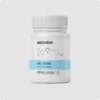

What Is Enclomiphene? A Full Research-Focused Overview
Looking for a compound that stimulates natural testosterone without shutting down the body’s hormonal axis? Meet enclomiphene – a research-only reference standard making waves in hormone science. Unlike testosterone replacement therapy (TRT), which suppresses internal production, enclomiphene works with the hypothalamic–pituitary–gonadal (HPG) axis, not against it.
Let’s break down what enclomiphene is, how it works, how it compares to clomiphene and SERMs, and why it’s increasingly in demand in research labs worldwide.
Key links for research: Enclomiphene Dosage
What Exactly Is Enclomiphene?
Enclomiphene is a selective estrogen receptor modulator (SERM) – but here’s what sets it apart:
Chemically, enclomiphene is a triphenylethylene derivative, structurally similar to tamoxifen, but with distinct endocrine dynamics.
Quick Chemical Summary
How Enclomiphene Works: The HPG Axis Advantage
Here’s how it affects the hormone loop:
Why This Matters
Key Use in Research: Enclomiphene allows controlled stimulation of the HPG axis without interfering with testicular volume, unlike TRT.
Enclomiphene, like all experimental compounds, has been found to have side effects.
Learn more: Does Enclomiphene increase blood pressure?
Enclomiphene vs Clomiphene: What’s the Difference?
Clomiphene citrate (commonly prescribed off-label in men) is a 50:50 racemic mix:
If your research requires high specificity, enclomiphene is the superior choice.
Clinical & Preclinical Data Highlights
Notable Insight: The 2024 study showed enclomiphene increased testosterone by +166 ng/dL, versus +98 ng/dL from clomiphene, with reduced estradiol rise.
Pharmacokinetics: Absorption & Stability
For research storage:
Potential Future Medical Applications
1. Treatment of Secondary Hypogonadism in Men Who Wish to Preserve Fertility
Most of the existing literature places enclomiphene in this arena. For example, a review concluded:
Why promising:
2. Metabolic Syndrome / Obesity‑Associated Hypogonadism
Emerging evidence links low testosterone, excess abdominal fat, insulin resistance and metabolic syndrome. Some studies suggest enclomiphene might play a role here. For example:
Why this makes sense:
3. Female Reproductive Disorders (Ovulation Induction / PCOS)
Although historically the cis‑isomer (zuclomiphene) plus trans mixture (clomiphene citrate) was used for ovulation induction in women, pure trans‑isomer enclomiphene might offer improved specificity. Some sources suggest:
Why compelling:
4. Hormone Replacement in Older Men (Alternative to TRT)
While current use of enclomiphene focuses on younger men preserving fertility, future use may expand to older men with testosterone deficiency who alsowant to avoid the risks of exogenous testosterone. For example:
Why this is interesting:
5. Adjunctive Therapy in Male Fertility Recovery (Post‑Suppression)
Another plausible future use: men recovering fertility after events that suppressed testicular function (e.g., anabolic steroid use, chemotherapy, environmental toxin exposure). Enclomiphene may help “kick‑start” the HPG axis. Research review notes:
Why valid:
Key Caveats & Roadblocks
Legal Status: UK & International
Enclomiphene is not approved for human use in the UK. However:
Important: Always ensure supplier provides COA, SDS, and regulatory compliance documentation.
Enclomiphene in the Lab: What to Know
Common Use Cases in Research:
COA Checklist (Certificate of Analysis):
Recommended Solvents: DMSO, ethanol (≥99.5%), PEG-300
Frequently Asked Questions (FAQ)
Is enclomiphene legal in the UK?
Yes – but strictly for research purposes. It’s not an MHRA-approved medication. It can be sold and imported as a reference standard or research compound.
What dosages are used in clinical data?
Main guide: Enclomiphene Dosage
How is enclomiphene different from testosterone?
Testosterone therapy delivers exogenous hormone, which suppresses internal production. Enclomiphene stimulates the brain to release LH and FSH, encouraging natural production while preserving fertility.
Can enclomiphene be detected in drug tests?
It can potentially appear on specialised screens, but standard panels do not test for it. For lab validation, analytical references should use mass spectrometry with isomer-specific markers.
What makes enclomiphene better than clomiphene for research?
Clomiphene contains both E and Z isomers. The Z-isomer (zuclomiphene) may counteract desired anti-estrogenic effects. Enclomiphene gives cleaner, more predictable results.
Disclaimer: This article is for informational and research reference purposes only. Enclomiphene is not approved for human consumption. Always consult regulatory guidelines and safety data when handling any chemical compound.
Related Posts
10 Steps to Storing SARMs Safely (UK Research Guide)
How should I store SARMs to keep them stable?”If you’re asking this, you’re already ahead of most. Because SARMs aren’t just any research chemical – they’re temperature-sensitive, prone to degradation from light, oxygen, moisture, and improper handling. And in the UK, where legal use is restricted to research only, proper storage is not just smart – …
SARMs Storage & Stability Calculator
Not sure how long your research compound will stay stable in storage? This quick, science-based tool will help you plan your compound handling and storage protocols more confidently. This calculator estimates the remaining purity of your SARMs based on: Note: This tool provides estimated stability only. Always refer to actual COA and HPLC data for …
Are SARMs Peptides? Here’s the Clear Science-Based Answer
Key Takeaways: “While both SARMs and peptides are used in performance and therapeutic research, they are chemically and mechanistically distinct. SARMs are non-peptidic, small-molecule ligands designed to selectively modulate androgen receptors, whereas peptides are amino acid chains that typically act through hormonal signalling pathways. Conflating the two reflects a misunderstanding of fundamental molecular biology.”– Dr. …
Introduction: What Exactly Is Ostarine Doing at the Cellular Level?
Most people talk about Ostarine (MK-2866) like it’s a “mild anabolic.”But researchers know better: its true complexity lies in selective androgen receptor modulation, tissue-specific gene activation, and a pharmacokinetic profile that looks closer to a targeted therapeutic than a traditional anabolic agent. A widely cited paper in Current Opinion in Clinical Nutrition and Metabolic Care …